Narok West · Greater Mara · Narok County
Mara Conservation Keeping the Mara wild, led by the people who own it
A citizen-led, landowner-led effort of Narok West residents. We work to open the migration corridors that will secure the future of Mara wildlife and tourism, to keep Maasai families living alongside wildlife as they always have, and to make sure conservancy rules respect the rights of landowners, leaseholders, investors and every resident.
- 39 conservancies profiled
- Barazas in Maa and Kiswahili
- Every fact sourced
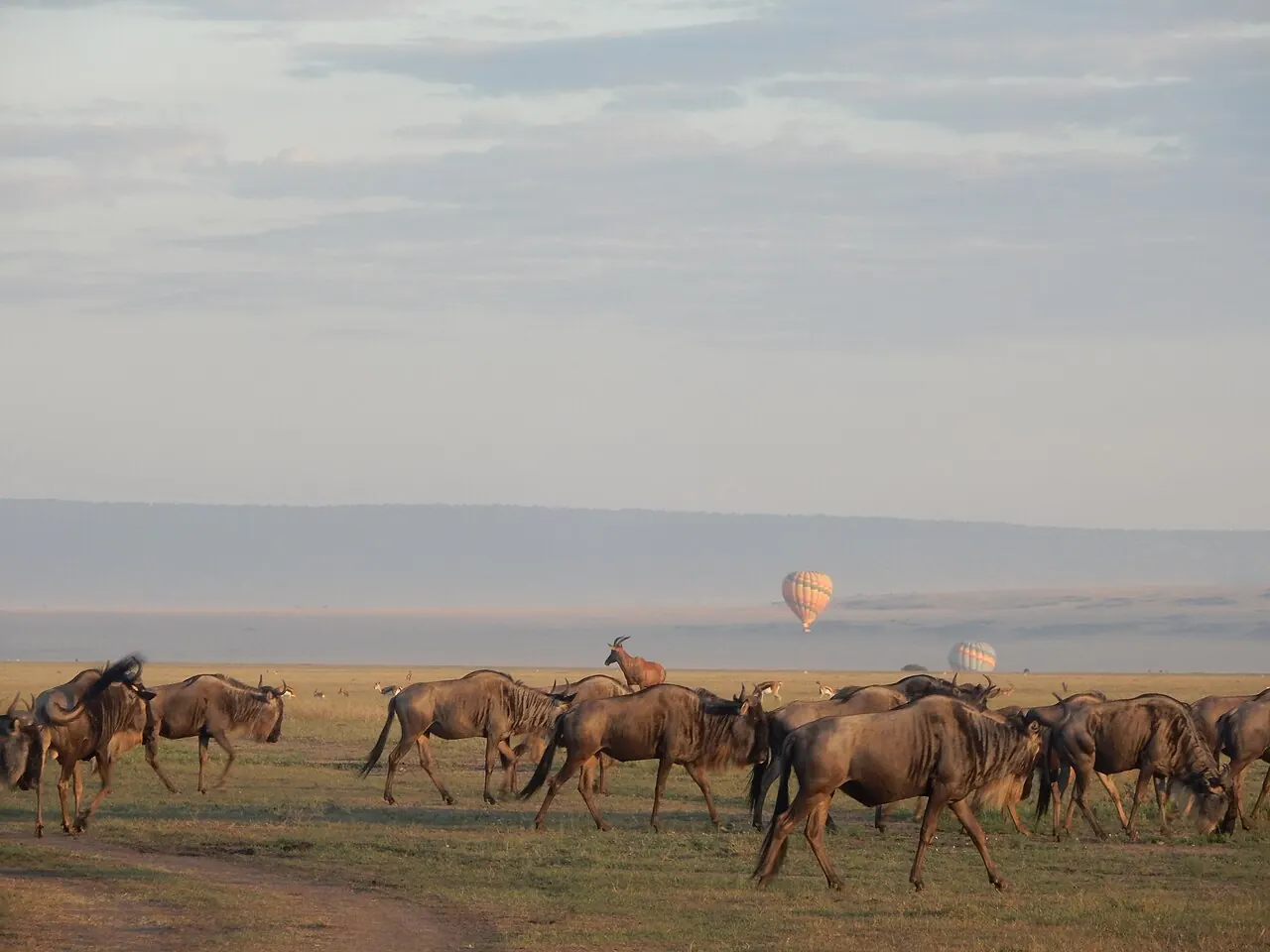
Wildebeest on the move in the Mara. Photo: Meerkatmanor95 / Wikimedia Commons, CC BY 4.0

- 39entries on MMWCA’s 2025 map
- 17,000+landowners in conservancies
- 19%of the Greater Mara fenced, 2020
- 2,702elephants, 2024 census
- US$7m+lease payments a year
- 4wards in Narok West
01Who we are
Conservation led by citizens and landowners
Most of the Mara’s wildlife spends part of its life outside the Reserve, on land that belongs to Maasai families. Whether that land stays open, or is fenced, farmed or sold, decides the future of the Mara. We believe the people who own and live on that land should lead its conservation.
MaraConservation.org is run by Narok West residents. We explain how the conservancy model works, publish an independent profile of every conservancy, organise barazas, and stand up for the rights of everyone with a stake, from landowners and herders to camps and visitors.
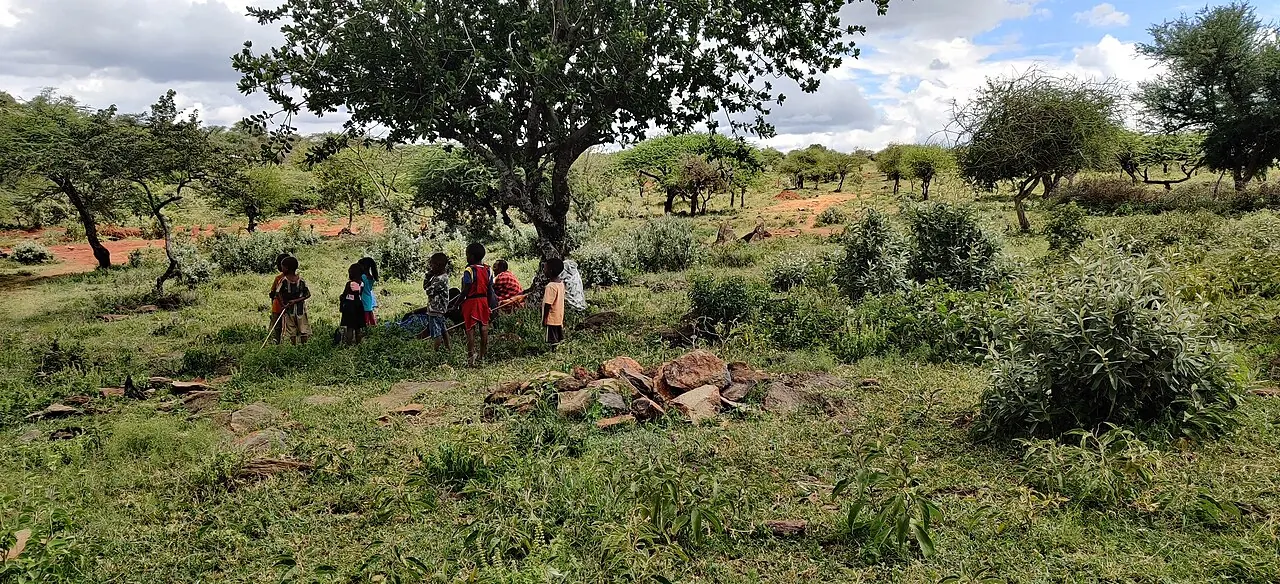
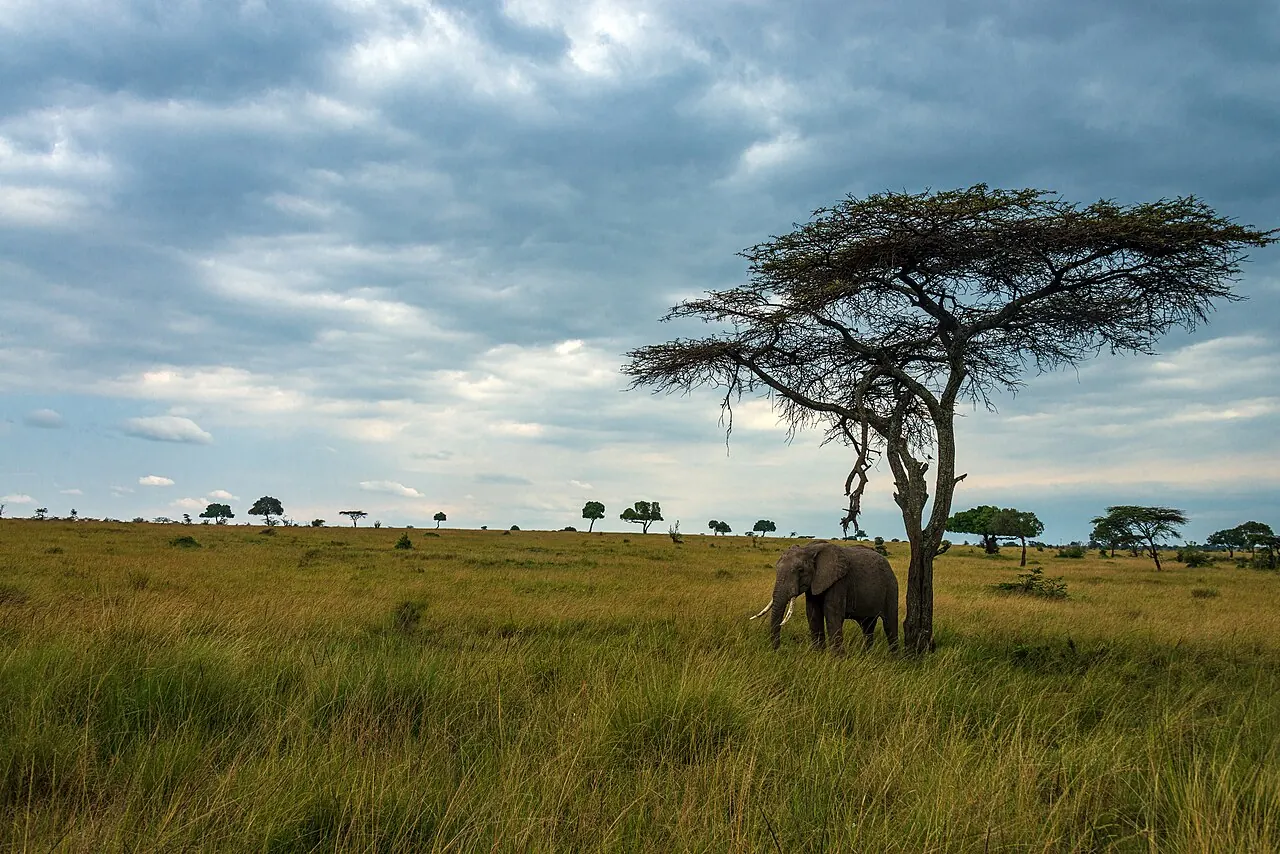
Photo: Yganyana / Wikimedia Commons, CC BY-SA 4.0

02The conservancies
Every conservancy around the Reserve, on one map
Tap any conservancy for its profile: who owns it, how its leases and grazing rules work, its wildlife and camps, the disputes reported and every source we used.
- 18 established
- 10 developing
- 9 emerging
- 2 potential
Search all 39 conservancies The full map → · Emerging conservancies →
03Barazas
Barazas: everyone speaks, everything is written down
We help villages across Narok West organise barazas, open community meetings, so that every resident understands how the conservancy model works and can find ways to keep it alive: living alongside wildlife as our families always have, and making sure conservancy rules do not harm or hinder the Maasai way of life.
- Lease terms and payments, explained clause by clause
- Grazing plans and dry-season access
- Corridors, fences and land sales
- Wildlife conflict and how to claim
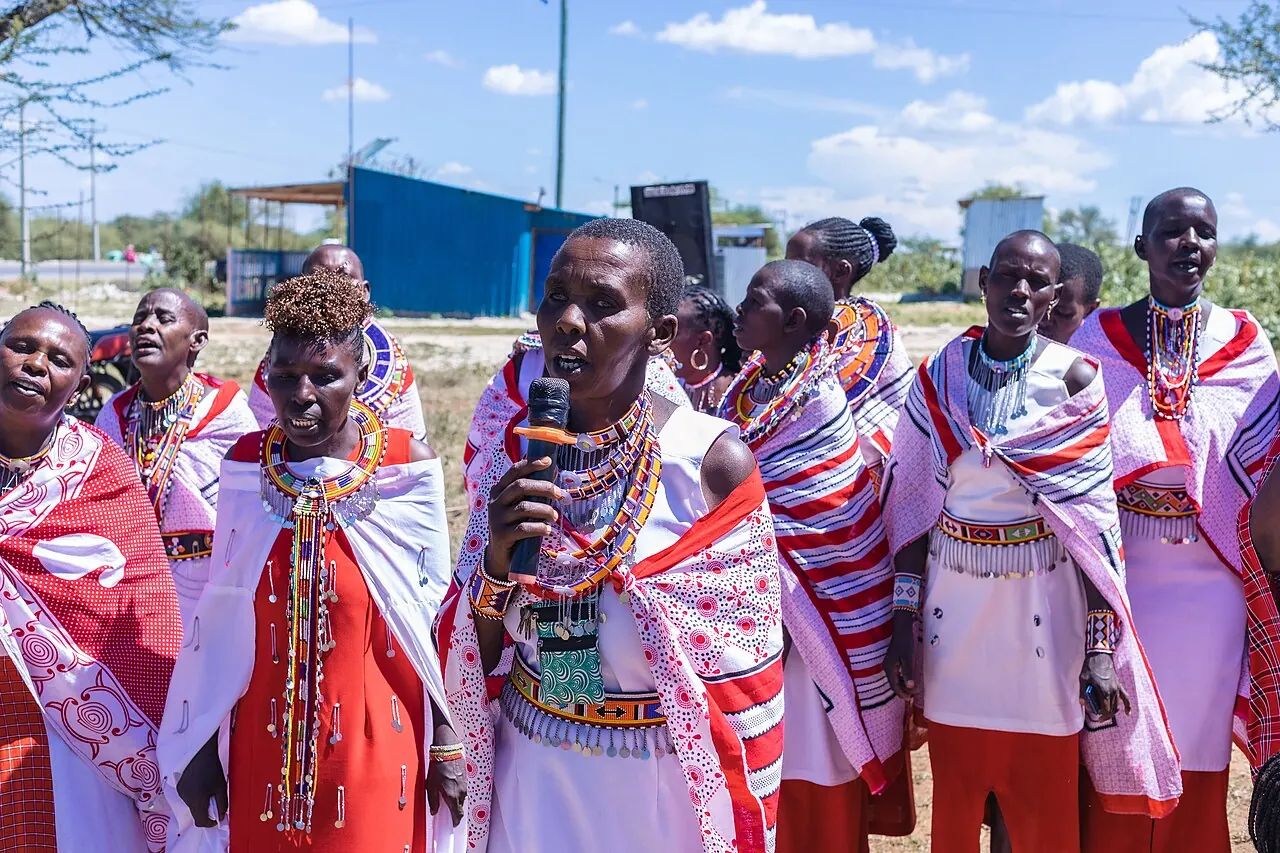
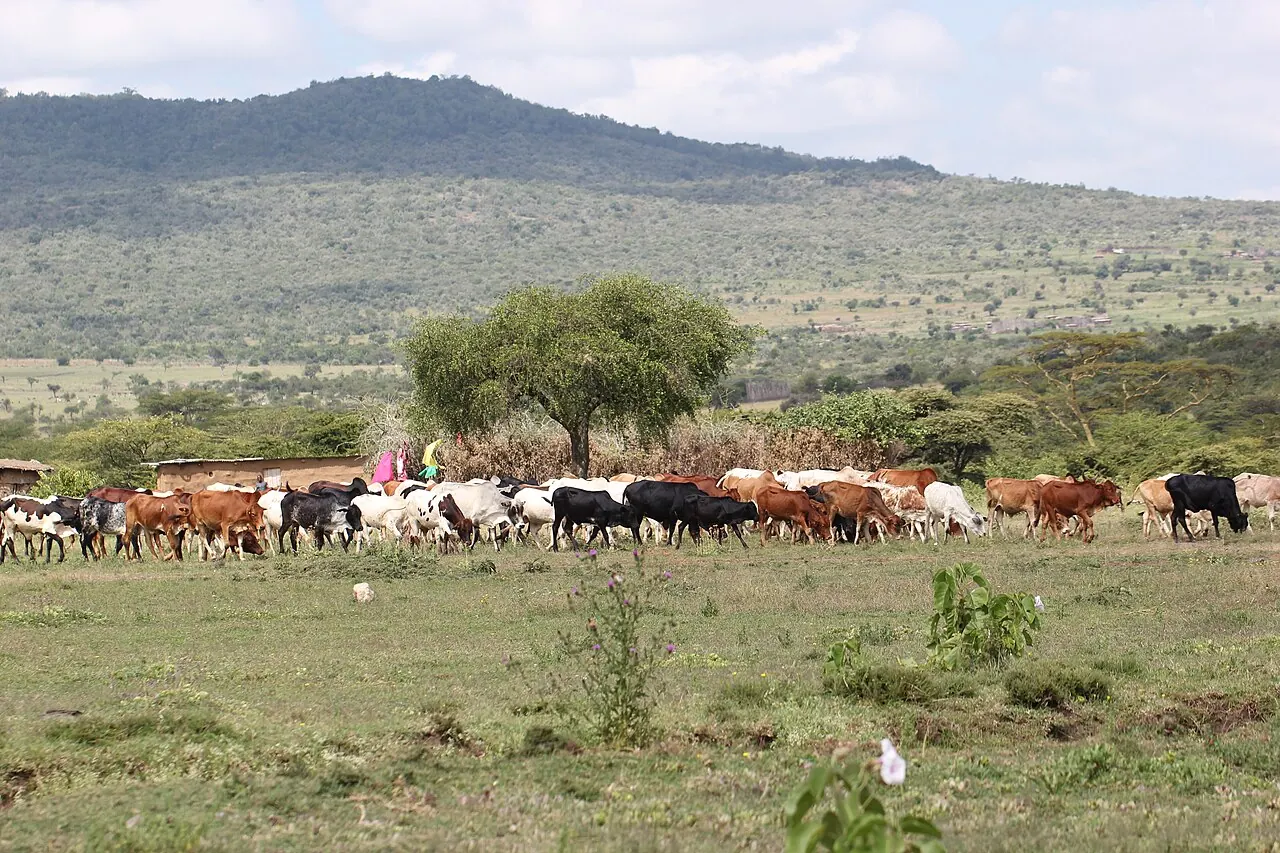
Photo: Mark Myles Mugambi / Wikimedia Commons, CC BY-SA 4.0

04Migration corridors
Open the corridors, secure the Mara
Fenced land in the Greater Mara rose from about 5% in 1985 to 19% in 2020, and the resident Loita wildebeest herd fell by about 81% between 1977 and 2016. Where landowners are paid to take fences down, wildlife is coming back.
05Rights for everyone
Fair to landowners, residents and investors
The Mara works only when the bargain is fair. Our charter sets out the rights and duties of each group, and barazas are where clashes are settled.
06Evidence
Every fact with its source
We read the conservancies’ own pages, MMWCA’s reports and the published research, and cite them on every page. Where sources disagree we show both.
Reports and research Conservancy fees → · Questions answered → · Correct a profile →